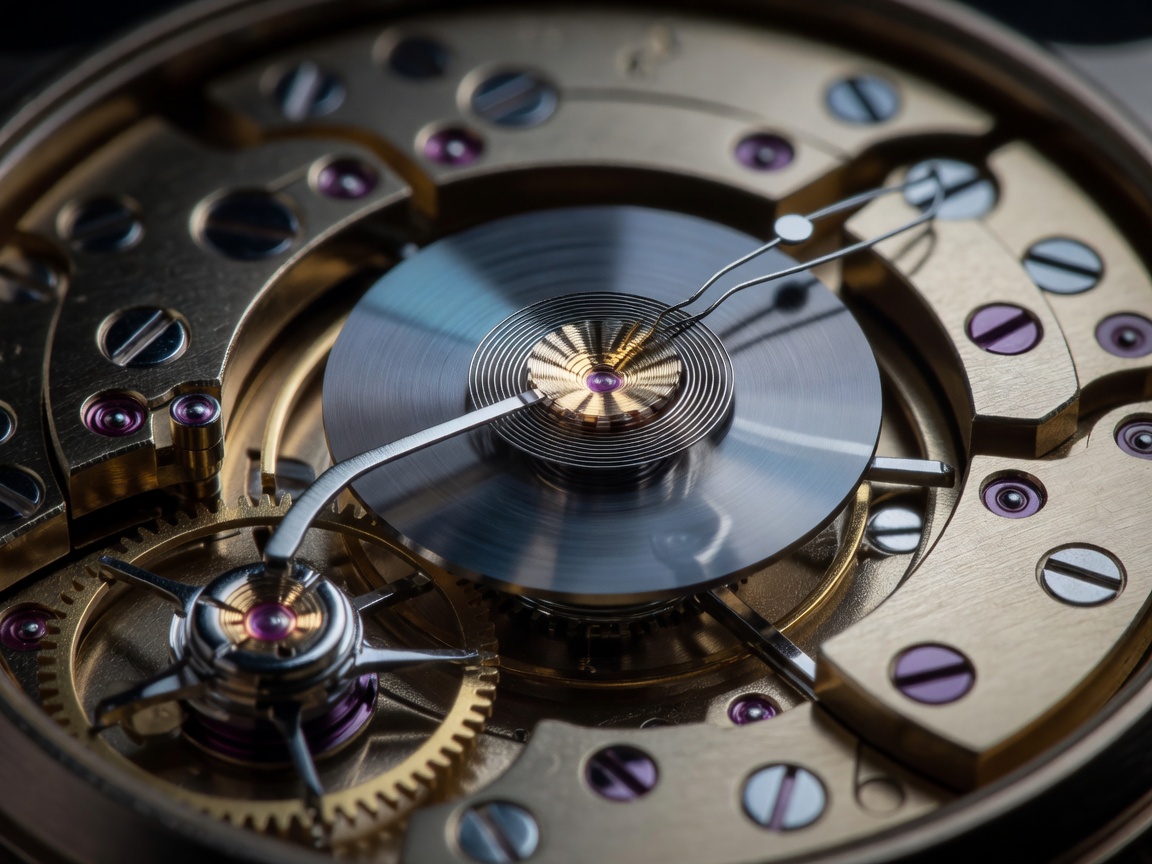
The Engine Room
To truly understand a vintage timepiece, one must look past the dial and examine the caliber within. The mechanical movement is the beating heart, comprised of hundreds of microscopic components engineered to measure time through the controlled release of stored energy.
Caliber Histories
Many celebrated brands did not manufacture their own movements in the mid-20th century, instead utilizing robust ebauches (raw, unassembled movements) from specialists like Valjoux, Lemania, or Venus. Identifying the base caliber is the first step in authentication.
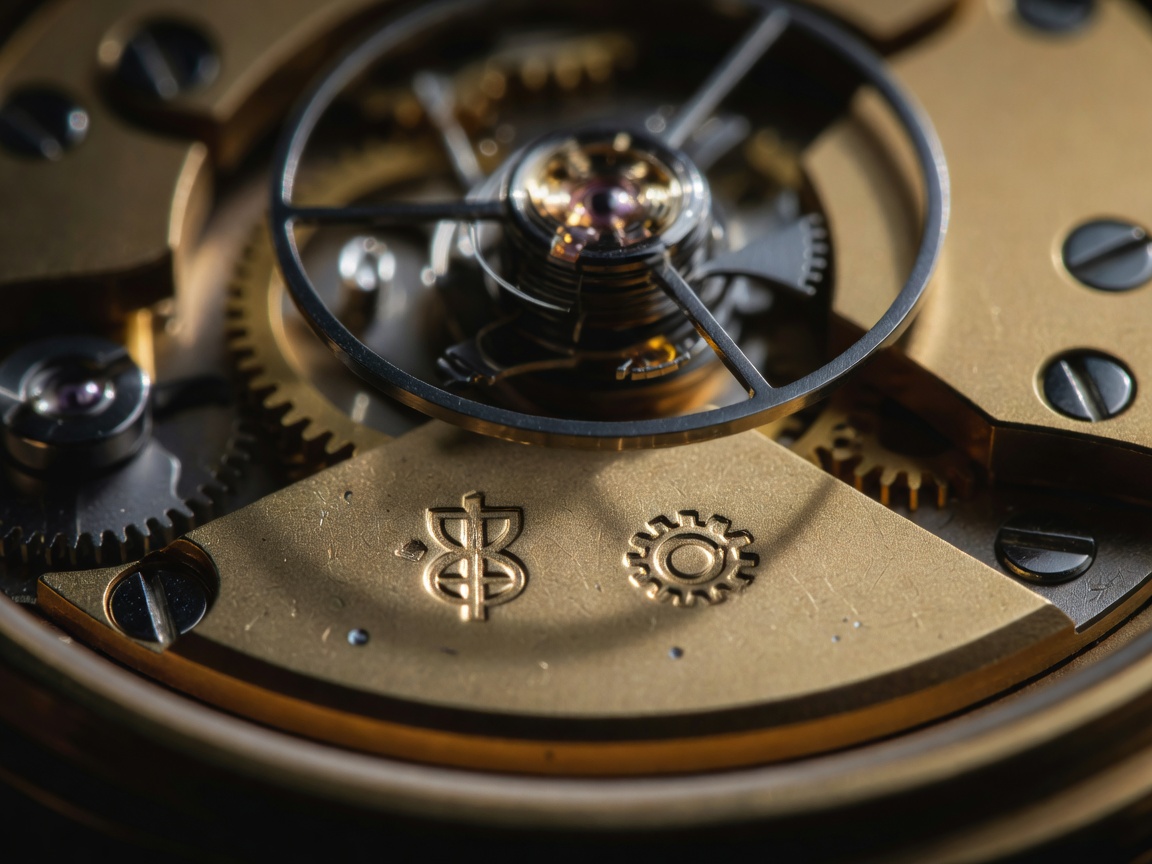
Inspect the stamping beneath the balance wheel—manufacturers often hid their proprietary maker's mark and caliber number in this obscure location. A discrepancy between the case reference and the expected caliber is the hallmark of a 'frankenwatch' (a piece assembled from mismatched parts).
Finishing & Escapements
High horology is defined by hand-finishing. Edges of the brass or German silver bridges should feature hand-applied 'anglage' (chamfering). The flat surfaces may display Côtes de Genève (striping) or perlage (overlapping circular graining).
The escapement—specifically the balance wheel and hairspring—dictates accuracy. Vintage watches often feature screwed balance wheels, where tiny adjustable weights regulate the inertia, a beautiful but labor-intensive archaic technology.