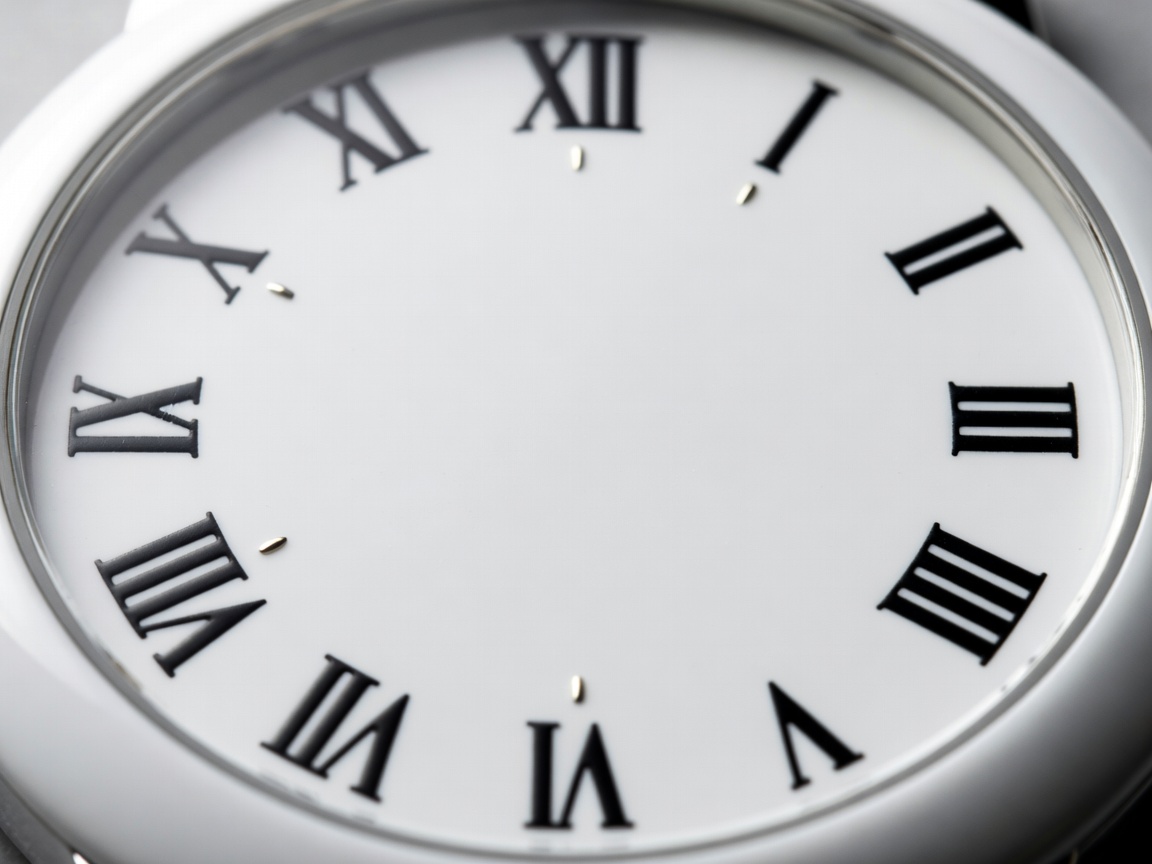
Formal Elegance: Dress Watches
Unencumbered by bulky rotating bezels or heavy chronograph pushers, the vintage dress watch is an exercise in restraint and proportional perfection. Often crafted from 18k yellow, rose, or white gold, these pieces were designed to slip effortlessly beneath the cuff of a tailored shirt.
Lug Shapes and Case Architecture
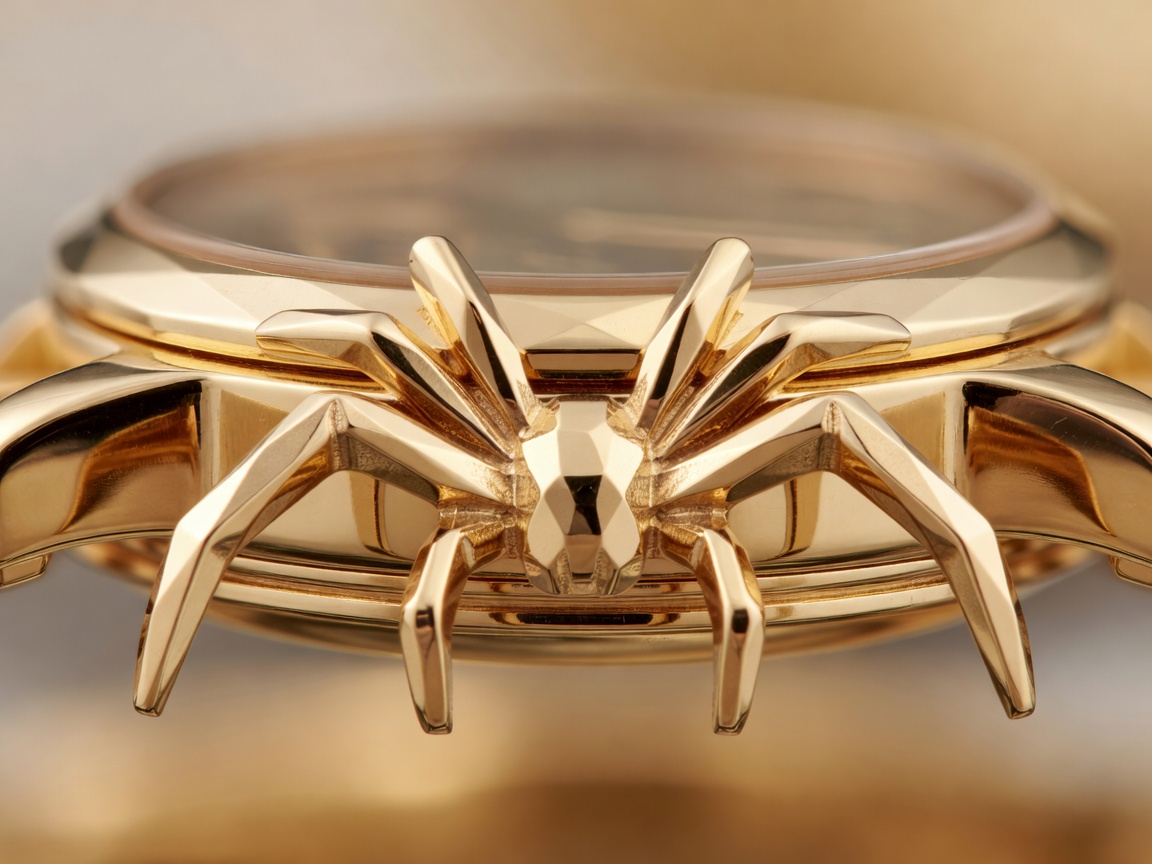
The lugs—the extensions of the case that secure the strap—are a critical focal point for identification and condition assessment. Vintage dress watches exhibit a spectacular array of lug designs: 'teardrop' lugs, heavily faceted 'spider' lugs, and sweeping 'bombé' shapes.
Over-polishing destroys the sharp geometry of these lugs. A discerning collector runs a finger along the chamfers; they should feel distinct and crisp. Soft, rounded edges where there should be angles indicate aggressive refinishing.
Dial Artistry & Enamel
The dials of formal timepieces often feature delicate finishing techniques. Guilloché, or engine turning, involves engraving intricate, repeating geometric patterns into the metal dial using a manually operated rose engine lathe. Grand Feu enamel dials, baked at extreme temperatures, offer a glassy, pristine white surface that theoretically never fades or patinates.
When inspecting an enamel dial, search carefully for hairline cracks emanating from the center pinion or the sub-seconds register, as enamel is notoriously brittle.